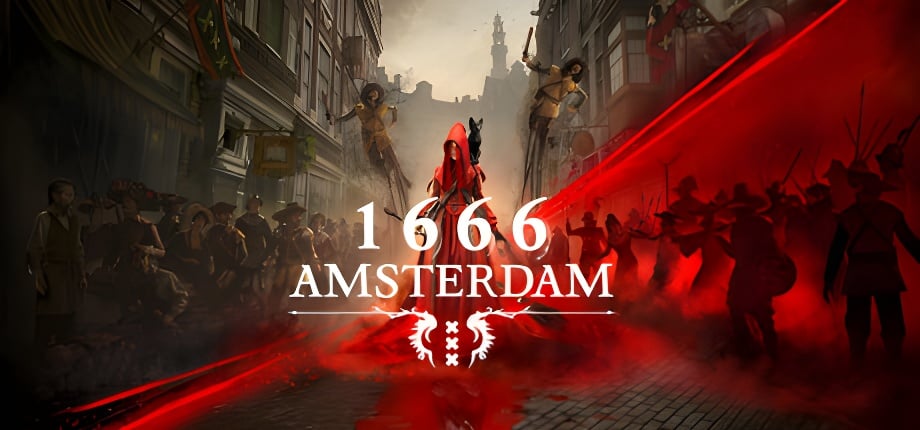
Assassin’s Creed just might be my favourite franchise. When I saw the very first trailer for 1666: Amsterdam, I immediately thought it was a new Assassin’s Creed game. That can be forgiven, seeing as it’s the brainchild of Patrice Désilets, director and creative lead of Assassin’s Creed and co-founder of Panache. The DNA is there.
I’ve had early access to this game for some time, and I’ll be honest: the controversy surrounding it has left me with a bad taste, and I wasn’t sure how I would cover it with those thoughts in my head. The biggest controversy has been about the use of AI, and when confronted about it, the developer said there had been so many iterations/changes/ builds that he wasn’t even sure what was AI anymore. Not a comforting thought. Saying that the tech was only used ‘in conception and pre-production’—arguably the most creative phase of the entire process has left me wondering what I would be seeing once I started the game. Enough time has passed, and it’s been on my review backlog for some time, so let’s get to it.
You play as Noa Brooklyn, born to be the Collector, destined to take the power back from The Originals. You have a cat familiar who houses the soul of a man named Aaron from 1999. That is not a typo. You set out to see what happened to the Originals and immediately are faced with witch hunters. Oh good, my first test of combat; let’s see what Noa can do. Sadly, limited to some melee strikes and a decent dodge. Skipping ahead, you will battle increasing difficulties of enemies and bosses, and I was a little surprised to see 1666: Amsterdam had some roguelike components to it, meaning you could choose a reward skill from 3 options after beating a boss. This is a nice way to build a playthrough and character in the way you choose. Some of the abilities will let you cast a shield of vines, attack with a swarm of crows, etc.
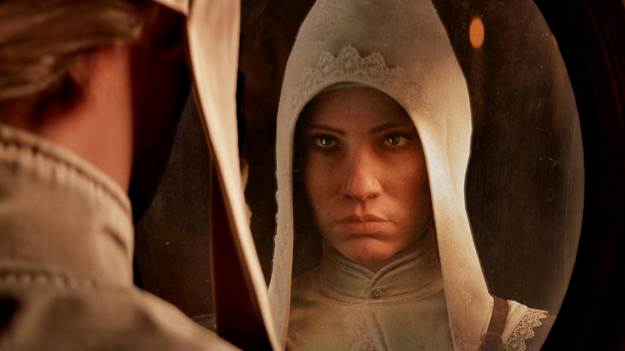
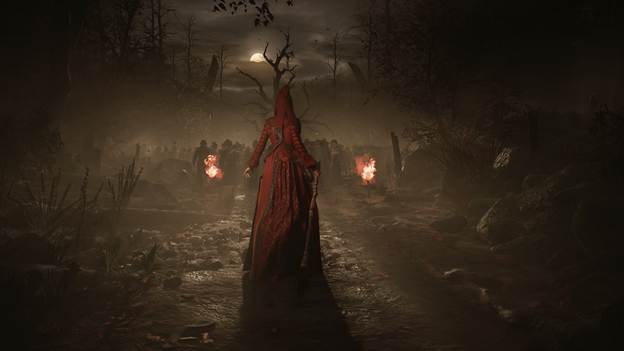
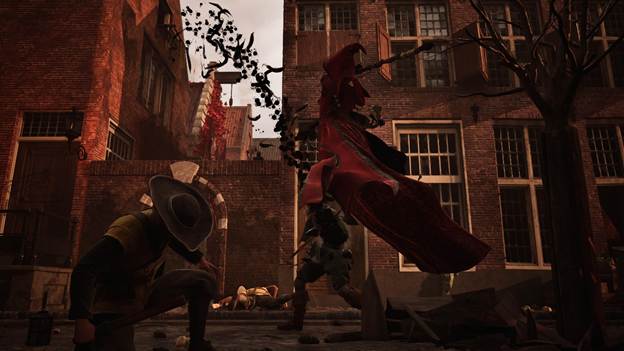
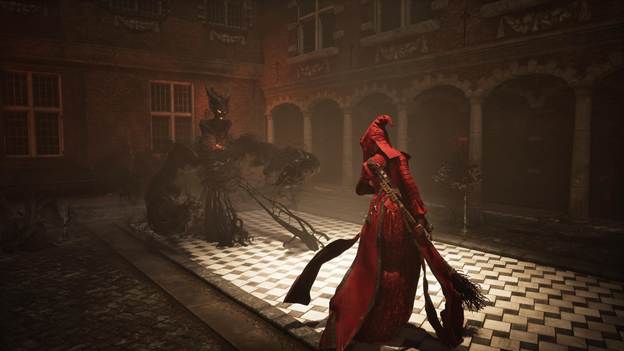
Like some of the Assassin’s Creed games, trying to identify Originals takes patience, asking the right questions and deciphering clues. You will use any skills you have to gain access to people and areas that are off-limits, including possessing individuals and using your cat to scare people or sneak into areas you can’t access. I love that there is more than one way to approach any puzzle and more than one solution.
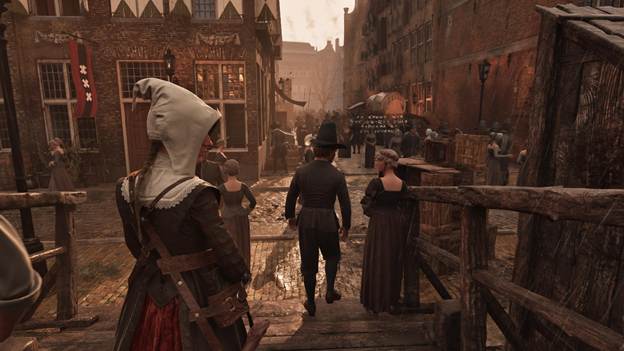
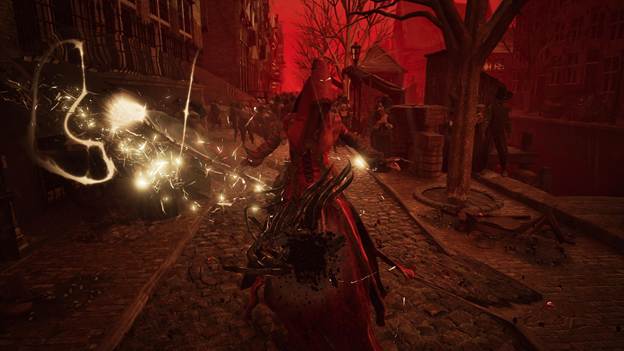
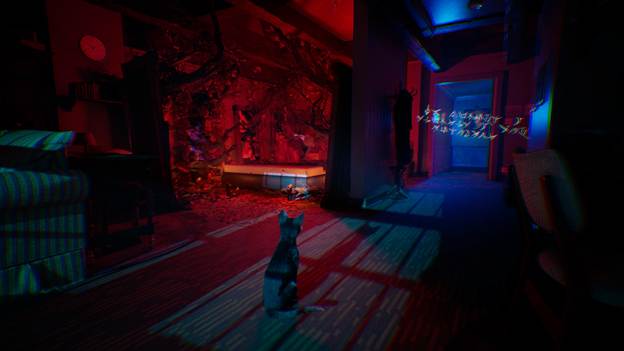
Ultimately, this is a game about 3 individuals: Noa (1666), Aaron (1999) and Aaron’s daughter, Clio, who is in ‘our time’. It involves both time travel and Clio reading her father’s notes in the early part of the game; we flash back to 1999 and pick up Aaron’s story. It’s not as complicated as it might sound. I do not want to spoil the story, though. Noa and Aaron work together as a sort of detective duo, and I was really intrigued by the story and how it felt familiar to the long struggle between Assassins and Templars.
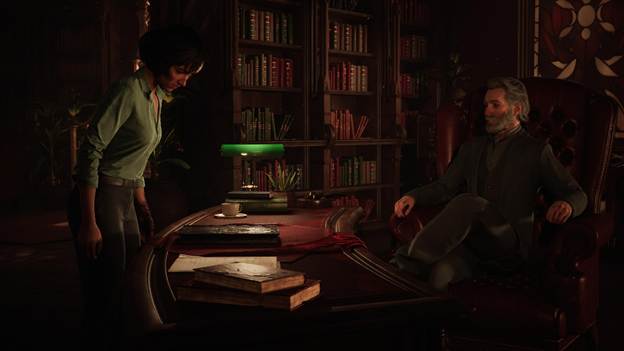
There are good bones here, and I have been excited about this game, but the AI stuff has dampened that a bit. The game has a beautiful representation of Amsterdam, and the story is compelling. Sadly, the gameplay leaves a lot to be desired for me. It is still in early access, though, so I am hopeful to see some improvements going forward. Currently, the game is around $30 USD, so not a huge investment if you want to try it for yourself.
Until next time…be good to yourself and be good to each other.
**Special thanks to Gambit Digital for the review code**




Leave a Reply